The Frida Project
Therapist-led peer support groups
Before CodeLeap built products for clients, it built and launched its own. The Frida Project — a mental-health startup founded by a member of our own team — gave people support from professional therapists inside small online groups. We designed it, engineered it end to end, and had the MVP live on iOS and Android in under 3 months.
What we did CodeLeap prioritised the core features for the MVP and then built out the rest to a premium standard on the strength of early feedback, running privacy through the product rather than parking it in a settings screen, with therapist-led private groups of exactly five people.
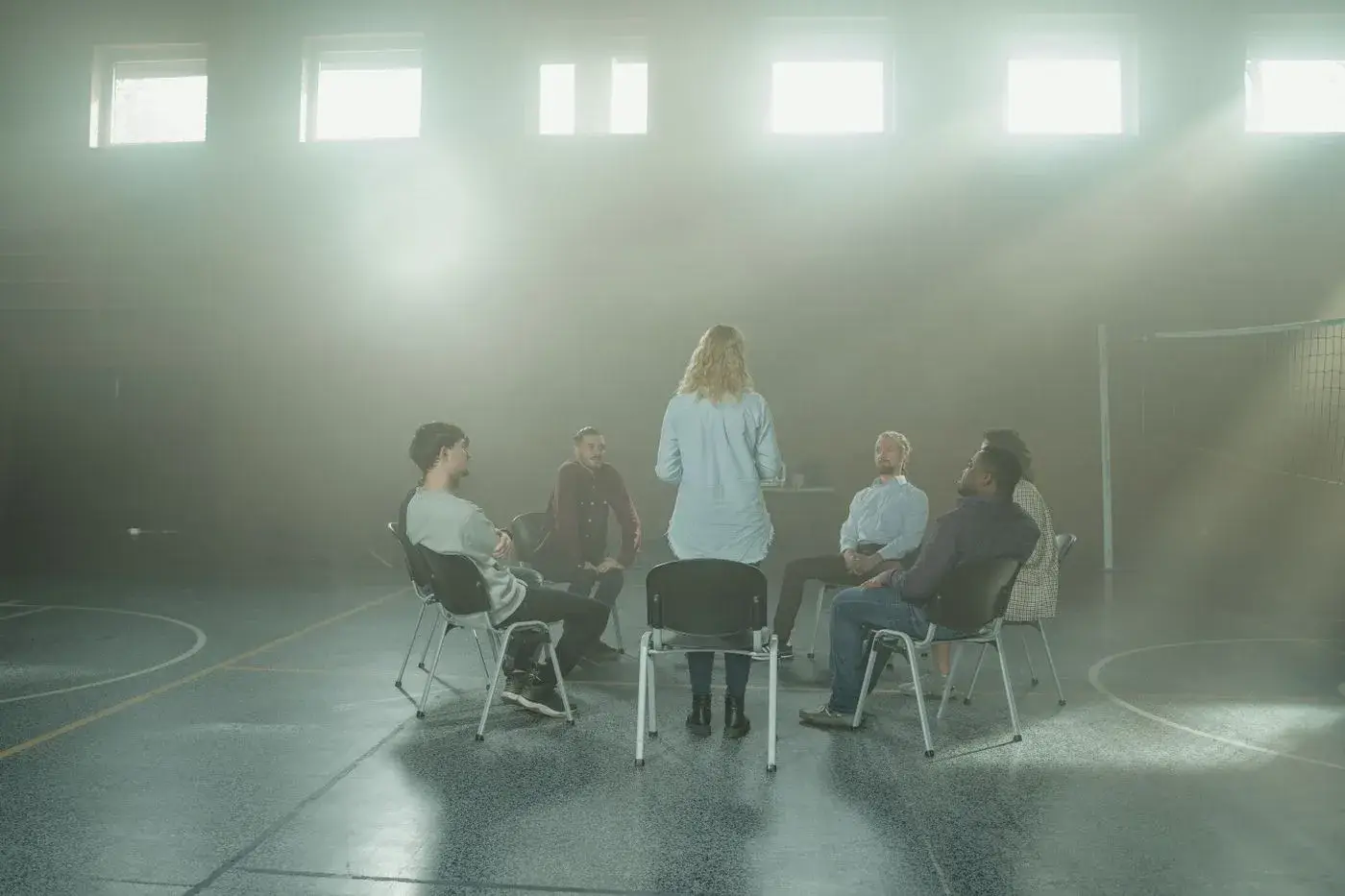
The Frida Project is a mental health app where users receive support from licensed therapists while taking part in online support groups with peers facing similar challenges. CodeLeap launched the MVP for iOS and Android in under three months, then continued to build out the remaining features over the following months to bring it to a premium standard. Soon after launch the app reached an average rating of 4.9 stars on the app store and has since touched the lives of thousands of users. The defining requirement was to combine the openness of a social network with the privacy and trust that mental health support demands.
Product features
-
Therapist-led support groups
Support groups are small private spaces of five users with shared interests, each led by a licensed therapist whose role is to encourage participants to talk about how they are feeling and to discuss their experiences with one another. Keeping the groups small and professionally facilitated is what makes them feel safe enough to be useful.
-
Social network feed
A newsfeed sits at the centre of the app, inviting users to share their experiences and receive support from peers going through something similar, with comments and a set of emotional reactions including love, laughter and sadness. Offering a range of reactions rather than a single like gives people a way to respond to difficult posts with the appropriate feeling.
-
Learning materials
Therapists schedule daily learning materials for release into their groups, covering subjects such as coping with anxiety, imposter syndrome and bereavement. CodeLeap designed these materials as richly illustrated slides, holding a deliberately positive tone at each step of the user journey so that the content encourages rather than weighs on the reader.
-
Richly illustrated onboarding
Interactive, heavily illustrated onboarding screens welcome new users into the community, tell them the story and mission behind the startup and set out the company's strict privacy policies. Explaining the privacy position at the outset is essential, because nobody will post honestly until they understand who can see what.
-
Anonymity and privacy controls
Privacy runs through the product rather than sitting in a settings screen, giving users the confidence to participate in a group and post on the feed without exposing themselves publicly, which is the precondition for the whole app functioning.
Challenge
The startup needed an app with the engagement mechanics of a social network and the trust and anonymity that mental health support requires, two things that pull in opposite directions. Social platforms are built on visibility and identity, while mental health support depends on discretion, so the product had to be a space where users felt comfortable talking openly to strangers in a group while therapists could distribute learning materials to their participants within the same private structure. Alongside this sat a commercial priority the founders were explicit about, which was to launch a cost-efficient MVP capable of validating the idea and gathering real user feedback, so that the remainder of the development budget could be directed by what users actually wanted rather than by what the founders assumed.
Solution
CodeLeap launched The Frida Project's MVP for iOS and Android in under three months, prioritising the core features so the startup could reach market quickly and begin collecting user feedback while the budget was still largely intact. Over the subsequent months we enhanced the app and built out the remaining features to create a premium experience, with the direction of that work informed by what early users had told the founders. The finished product combines therapist-led groups of five, a reaction-rich social feed, illustrated learning materials scheduled by therapists and an onboarding experience that establishes both the mission and the privacy position from the first screen. Soon after launch the app reached an average of 4.9 stars and has reached thousands of users.
Tech stack
The tech chosen was our speciality, enabling fast development of performant user interfaces and a reliable infrastructure. The Frida Project is available for both iOS and Android.
- Frontend
- React Native (iOS & Android)
- Backend
- Python, Django, PostgreSQL
- Hosting
- AWS
Keep exploring
-
 Udokk
UdokkUdokk saw growing demand for trustworthy digital health content and had an extensive professional network ready to create it. CodeLeap built the platform where healthcare professionals publish scientific and educational video for practitioners, students and the public, and earn from it.
read more -

'%20fill-rule='evenodd'%20clip-rule='evenodd'%20d='M91.8237%2056.0059C93.2939%2055.133%2093.2939%2053.0046%2091.8236%2052.1317L59.7254%2033.0733C58.2236%2032.1816%2056.3223%2033.2639%2056.3223%2035.0104L56.3223%2073.1272C56.3223%2074.8737%2058.2236%2075.956%2059.7254%2075.0643L91.8237%2056.0059ZM103.325%2032.7602C119.498%2042.3628%20119.498%2065.7748%20103.325%2075.3774L71.2272%2094.4358C54.708%20104.244%2033.7936%2092.3388%2033.7936%2073.1272L33.7936%2035.0104C33.7936%2015.7988%2054.708%203.89359%2071.2272%2013.7019L103.325%2032.7602Z'%20fill='white'/%3e%3c/g%3e%3c/g%3e%3c/g%3e%3c/g%3e%3c/g%3e%3c/svg%3e) Hurdl
HurdlThe client wanted to build a community where people could be matched with others who had walked a similar path through mental-health difficulties. CodeLeap designed and built the app across iOS, Android and web, together with the moderation needed to keep that community safe.
read more -
 A lab test, read from a photo. Medical test scanning app
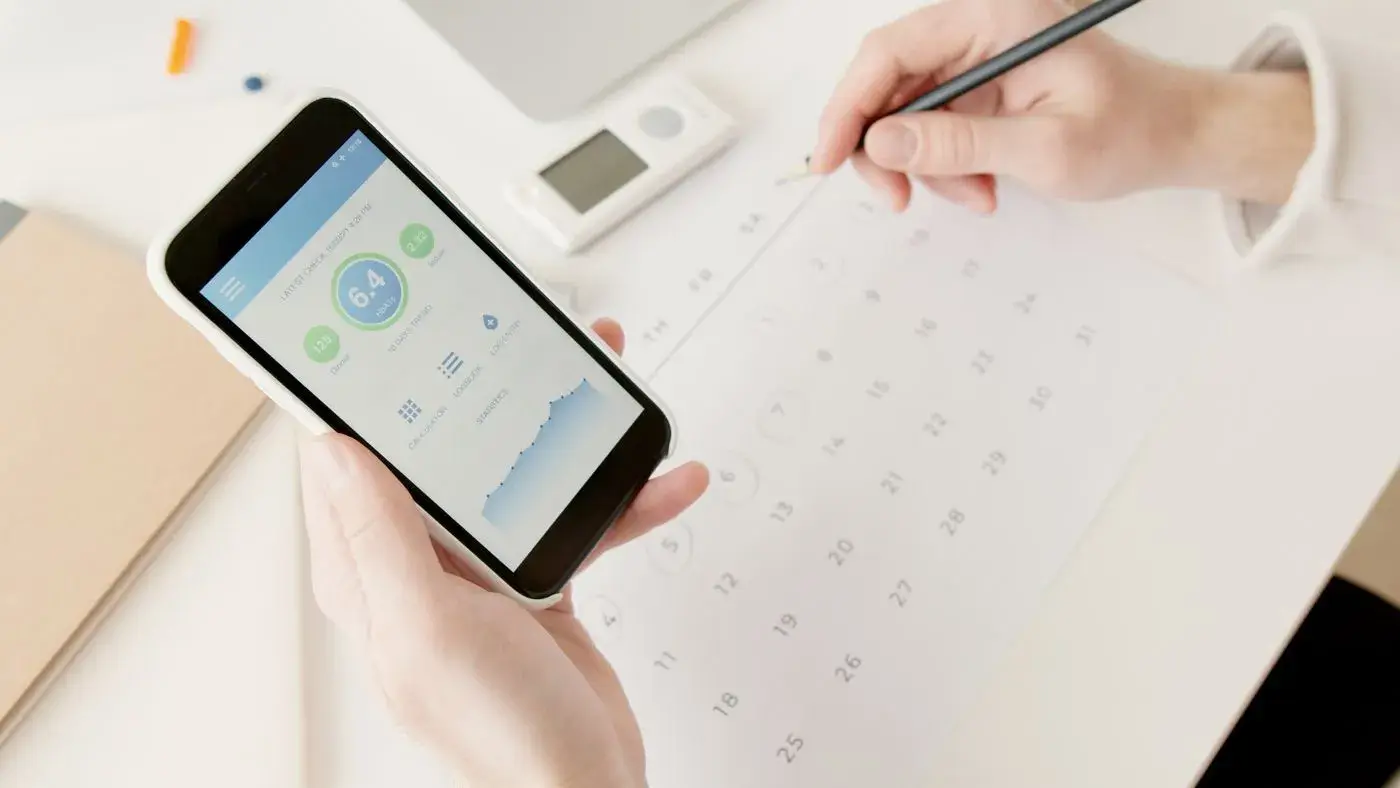
Colour-change screening tests are read by eye, which makes the result subjective and hard to track over time. CodeLeap built a computer vision algorithm that reads the test objectively from a photograph taken on a phone, together with the apps around it.
read more