
AI Automation
AI Implementation: The First 90 Days and What It Costs
 Victor Gimael November 2026 10 min read
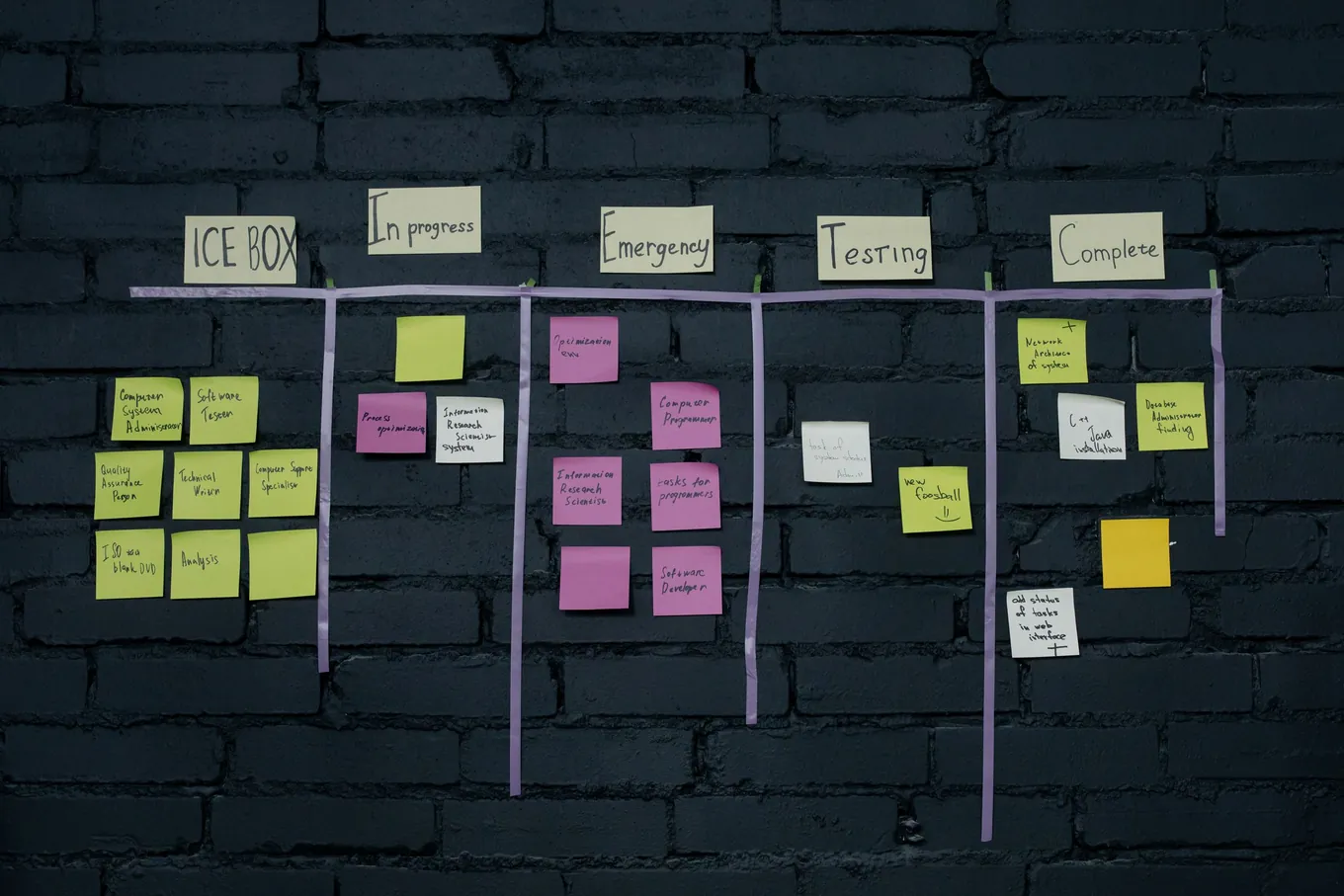 Your first AI system in 90 days?
AI implementation for a first system takes about 90 days when it goes well. That covers one week to check readiness, one to scope, a few weeks to get data and access, a build, and a pilot with real users before you rely on it. The work that decides success is mostly not the model. It is agreeing the problem, getting access to the data and keeping a person in the loop while the system earns trust.
This article covers the engagement that gets one AI system into production, week by week, with what you supply and what a partner should deliver at each step. It then covers why implementations stall, how to tell it is working, what it costs and how to choose a partner. For the company-wide picture, see our AI transformation roadmap. For the advice stage, see what an AI automation consultant does. If you want independent advice before committing, our AI strategy consulting service covers it.
Key takeaways
- A first AI system typically goes live in about 13 weeks: check, scope, access, build, pilot, measure. Treat that as a typical shape, not a guarantee.
- You supply four things: a process owner, access to data, a decision-maker and IT or security sign-off. Plan for access first, because nothing useful can be built without it.
- Research on failed AI projects points to decisions made before the build: the wrong problem, missing data and weak infrastructure.
- Our prices: readiness assessment from £1,500, single process build £2,000 – £10,000, automation programme from £10,000.
- Ask any partner who writes the code, what runs in week four, who owns it and what happens if the pilot fails.
What does AI implementation involve?
AI implementation is the work of taking one AI system from “we have picked a use case” to “it runs in production with real users”. It is different from strategy, which decides what to do, and from training, which helps staff use tools they already have.
The unit of work is one process. A process might be sorting inbound emails, drafting renewal outreach or checking documents. You put it live, measure it against what it cost before, then choose the next one. Trying to implement AI across a whole business at once is how projects lose their owner.
A typical engagement has seven parts: a readiness check, scoping, data and access, the build, a pilot with human review, measurement, and handover or extension. The next section puts them on a calendar.
What happens in the first 90 days?
Here is the typical shape of a first implementation across 13 weeks. It is a typical shape, not a promise. Your own timings depend mostly on how fast data access and approvals arrive.
| Weeks | Phase | What you get |
|---|---|---|
| 1 | Readiness check | Verdict on one department |
| 2 | Scope | Written scope, fixed price |
| 3–4 | Data and access | Test data, accounts, baseline |
| 5–8 | Build | A demo every week or two |
| 9–12 | Pilot | Real users, human review |
| 13 | Measure and hand over | Results, docs, code |
Weeks 1 to 2: check and scope
The first week tests whether the process is worth automating. Our AI readiness assessment is built for this: one week, one department, from £1,500, ending with a proposal to keep and an honest verdict where AI is not worth it.
The second week turns the chosen process into a written scope: what goes in, what comes out, what the system may do alone and what waits for a person. Agree how you will judge success now, as numbers you can count, such as hours a week, turnaround time or rework.
Weeks 3 to 4: data and access
Most of the calendar risk sits here. The partner needs read access to the systems involved, a set of real examples to test against and the right accounts. Record the baseline at the same time: how long the process takes today and how often it goes wrong. Without that number, nobody can say later whether the system helped.
Weeks 5 to 8: build
The build should produce something you can see every week or two. Within the first two weeks of the build, a working version of the narrowest useful slice should exist, even if it is rough. Our single process builds are usually four to eight weeks, and a longer build pushes the pilot later rather than shortening it.
Weeks 9 to 12: pilot with human review
The pilot puts the system in front of the people who will use it, on real work, with a person checking every output. This is where you learn what the demo hid: odd inputs, missing fields, the exception nobody mentioned. Fix those, then loosen the review in steps, for example by letting low-risk items run automatically once the checks have held for a few weeks.
SBU, a UK energy broker, shows this step in a live system. We built a headless automation layer across Salesforce, an LLM (Anthropic Claude) and the client’s email. An 85% confidence threshold decides what runs automatically and what waits for a person, which let the client increase automation as trust in the system grew. Within three months the team was generating five times the qualified leads, without adding headcount.
Week 13: measure and hand over
Compare the results with the baseline. Then decide whether to extend to the next process, adjust the scope or stop. A partner who tells you to stop has done the job properly. You should also receive documentation and the code.
What do you supply, and what does a partner deliver?
You supply people, access and decisions. The partner supplies a written scope, working software and a clean handover.
What the business supplies
You have to supply four things, and a delay in any of them moves the whole calendar.
- A process owner. One person who knows how the work is really done, answers questions within a day and decides whether the output is good enough.
- Data access. Read access to the relevant systems, or an export, plus real examples including the messy ones.
- A decision-maker. Someone who can approve scope, change requests and the go-live decision without a committee.
- IT or security sign-off. Agreement on where data goes, who can see it and which accounts the system uses.
Two further items help. Give the pilot users a few hours in the diary, because reviewing outputs is real work. And tell the people affected early, so that the system arrives as help rather than as a surprise.
What a partner should deliver at each step
Each step should leave you with something written or working that you could show a colleague. Use this list to hold a partner to account.
- Scope: a written scope with a fixed price and acceptance criteria before any build starts.
- Payment: milestone payments as each stage is delivered, never a large sum up front.
- Build: a demo every week or two, on real examples, not slides.
- Pilot: a log of what the system got wrong and what changed as a result.
- Handover: documentation, a trained team and all code and IP yours once the work is delivered and paid for.
On our side, scope and price are fixed and agreed before work starts. If you are weighing an agency against a freelancer or an in-house hire, our guide to choosing an AI automation agency covers that comparison.
Why do AI implementations stall?
They stall mostly on decisions made before the build, not on the technology. RAND’s 2024 report on why AI projects fail is based on interviews with 65 experienced data scientists and engineers. It names five root causes (RAND, August 2024):
- Stakeholders misunderstand or miscommunicate what problem needs to be solved.
- The organisation lacks the data needed to train an effective model.
- The organisation focuses more on the latest technology than on the problem.
- The infrastructure to manage data and deploy models is inadequate.
- The technology is applied to problems that are too difficult for AI.
Most of these map onto a step in the plan above. A written scope with acceptance criteria answers the first. A readiness check and a data and access phase answer the second and fourth. Choosing one process answers the third and fifth.
The UK government’s own research finds the same technical barrier. Its AI adoption study reported that fragmented, unstructured or siloed data was a technical barrier to deploying AI effectively (DSIT, fieldwork February to May 2025). If your data is the blocker, fixing it first is cheaper than building on it. Our AI readiness checklist takes about 15 minutes and shows where you stand.
Stalls also come from the human side: a pilot with no owner, a reviewer who has no time, or a rollout that nobody told the team about. Those sit in the “what you supply” list above for a reason.
How do you know it is working?
You know it is working when the number you recorded in week 3 or 4 moves, and the people reviewing the output trust it more each week. Both are needed. A system can be accurate and still be ignored.
Track four things during the pilot:
- The baseline measure. Hours a week, turnaround time or volume handled, compared with before.
- Corrections. How often the reviewer changes the output, and why. Falling corrections are the clearest sign of progress.
- Exceptions. How many items the system hands to a person, and whether that share is sensible.
- Use. Whether the intended users actually work through it, or around it.
Write the decision rule before the pilot starts. For example: if corrections stay above an agreed level after the review has loosened, adjust the scope or stop. Choosing the rule in advance stops the team from judging the result by how much has been spent.
What does AI implementation cost?
Our published prices for the stages above, all fixed and agreed before work starts:
| Stage | Price | Timescale |
|---|---|---|
| AI readiness assessment | From £1,500 | One week, one department |
| Follow-on build | From £5,000 | Assessment to live system |
| Single process build | £2,000 – £10,000 | Usually four to eight weeks |
| Automation programme | From £10,000 | In phases over several months |
You pay by milestone as each stage is delivered. All code and IP are yours once the work is delivered and paid for. Ongoing maintenance and support is from £400 a month. For builds, you can cancel within the first 21 days and get your money back in full. That guarantee applies to builds only, not to the assessment.
Where the price lands within £2,000 to £10,000 depends on how many systems are involved, how much of the work needs judgement rather than a rule, and how clean the data is. The cheapest way to find out is the assessment, which is why we suggest starting there. Our AI automation consulting page has the full detail for builds.
How do you choose an AI implementation partner?
Choose the partner who can show you working software soonest and who answers the awkward questions plainly. Five questions separate those who ship from those who present.
- Who writes the code? Ask for the people who will build it, not only the people on the sales call.
- What runs in week four? A good answer names a working slice. A weak one names a workshop.
- Who owns the code and the IP? The answer should be you, once the work is delivered and paid for.
- What happens if the pilot fails? Look for a stated stop point and a clear account of what you keep.
- How does human review work? Ask what the system may do alone, how it flags uncertainty and who signs off.
Also ask for a fixed price and a payment schedule tied to delivery. A partner that only quotes a day rate is asking you to carry the risk of the unknown.
Ask how they handle data protection
A good partner raises data protection in the scoping week, before anything is built. The written scope should name the personal data involved, the systems it passes through and the people who can see it.
In the UK, start with the ICO’s guidance on AI and data protection, which the ICO says is under review because of the Data (Use and Access) Act. Check early whether you need a data protection impact assessment (DPIA); our AI transformation roadmap covers the governance basics. In the US, sector rules such as HIPAA may apply if you handle health data, and our guide to HIPAA-compliant AI chatbots shows what that means for AI tools. This is not legal advice; ask your data protection lead or counsel to review the plan.
Your next step
Name the one process you would implement first, and write down how long it takes today. With that, you can brief anyone properly.
If you want a verdict before committing to a build, our AI readiness assessment takes one week and starts from £1,500. If you want independent advice on where AI fits across the business and what implementation would cost, see AI strategy consulting. If you already know the process, AI automation consulting takes it to a live system, with a single process build at £2,000 – £10,000.
Frequently asked questions
How long does AI implementation take?
For a first system, plan on about 90 days from the first readiness check to a measured pilot. Our single process builds are usually four to eight weeks of building, with assessment, data access and a pilot with real users either side. Slow access to data and systems is the delay to plan for, so ask for the timeline in writing.
How much does AI implementation cost?
Our AI readiness assessment is from £1,500 (one week, one department). A single process build is £2,000 – £10,000, a follow-on build after the assessment starts from £5,000, and an automation programme across the business is from £10,000. Scope and price are fixed and agreed before work starts, and maintenance is from £400 a month.
What does an AI implementation partner do?
A good partner agrees a written scope and price and builds one process at a time. They show you working software every week or two, test it with real users while a person reviews the output, and hand over documentation and the code. They also tell you plainly when a process is not worth automating.
What is the first step in implementing AI in a business?
Pick one process and record how it performs today: how often it runs, how long it takes and how often it goes wrong. Then check that one person owns it and that its data is within reach. A one-week readiness assessment is a low-cost way to confirm that choice before anything is built.
Why do AI projects fail?
In a 2024 report, RAND drew on interviews with 65 experienced data scientists and engineers. They named five root causes: a miscommunicated problem, too little data, chasing the latest technology, weak infrastructure, and applying AI to problems that are too hard for it. Most are decided before the build starts.
Want to build something like this?
Book a free 30-minute consultation and we'll help you find where automation pays off.
Keep exploring
-
 AI Training for Employees: What to Cover and What It Costs
AI training for employees, role by role: what to teach, a half-day agenda, what it costs from £1,500, and what the EU AI Act's AI-literacy duty does and does not require.
Read more -
 ChatGPT vs Claude for Business: Which to Use, and Where Your Data Goes
ChatGPT vs Claude is two decisions: which assistant your staff use, and which model sits behind an automation. What each vendor's pages say about data, checked in November 2026.
Read more